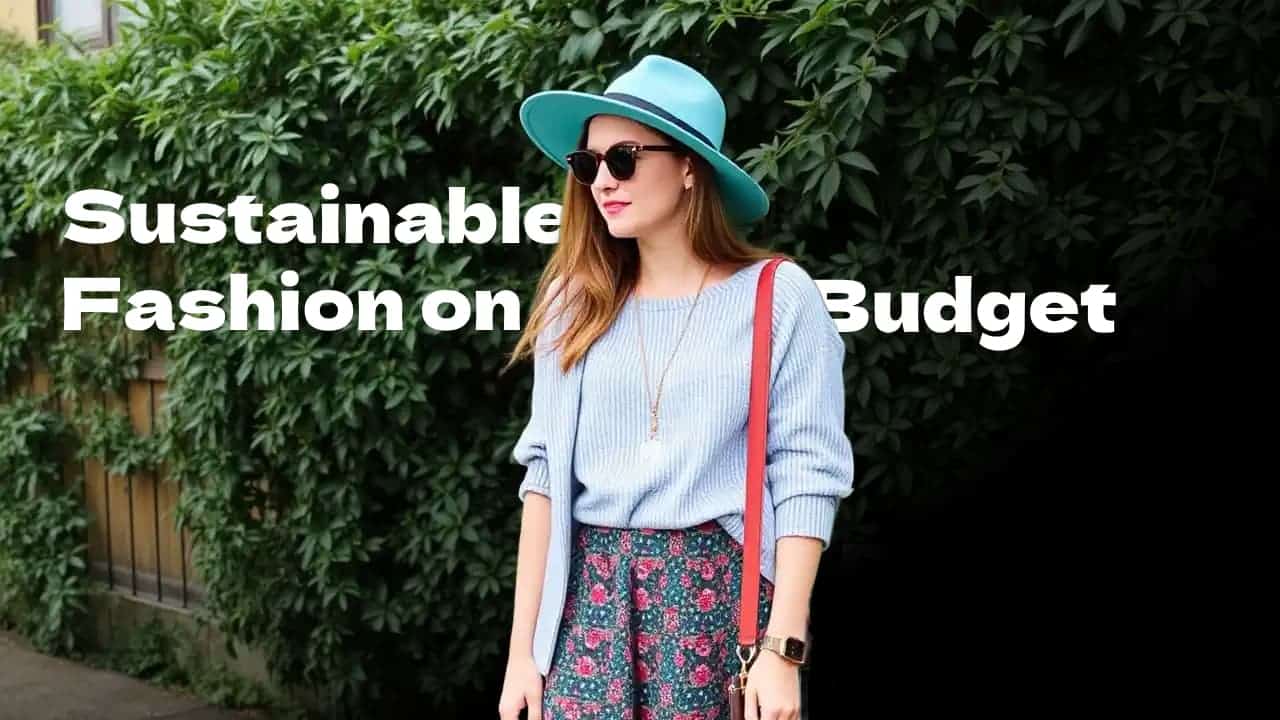
In today’s world, where climate consciousness is becoming as important as personal style, the demand for sustainable fashion is on the rise. However, many shoppers still believe that eco-friendly clothing comes with a hefty price tag. The good news? Dressing ethically doesn’t mean draining your wallet. With some savvy shopping strategies and knowledge of the right brands and platforms, you can easily embrace sustainable fashion on a budget.
This guide uncovers practical, affordable ways to build a stylish, eco-conscious wardrobe — without compromising your bank account.
What Is Sustainable Fashion?
Sustainable fashion is more than just a trend — it’s a movement toward creating clothing that is environmentally responsible and socially ethical. This includes:
- Using organic or recycled materials
- Reducing water usage and chemical waste
- Ethical labor practices
- Minimal packaging and carbon footprint
The goal is to extend the life cycle of clothing while minimizing the environmental impact.
The Myth: Sustainable Fashion Is Only for the Wealthy
Many assume that sustainable brands are only for those who can afford $200 jeans or $150 dresses. While some luxury eco-brands exist, there’s a growing number of affordable, ethical options accessible to everyday shoppers. The key lies in smart shopping — focusing on quality over quantity, choosing second-hand when possible, and supporting ethical brands offering reasonable prices.
Let’s explore how and where to shop sustainably without overspending.
1. Thrift Stores: A Goldmine for Budget Sustainable Fashion
Thrift shopping is one of the most affordable and sustainable ways to refresh your wardrobe. By purchasing second-hand, you’re giving clothes a second life, reducing landfill waste, and avoiding the carbon footprint of manufacturing new garments.
Top Places to Thrift:
- Goodwill & Salvation Army: Widely accessible, low prices, and often support charitable causes.
- Buffalo Exchange: Curated selections with trendy second-hand items.
- Local thrift shops: Community-based stores often have unique finds and cheaper prices.
Pro Tips:
- Visit stores in upscale neighborhoods for better quality items.
- Shop midweek for new stock.
- Always inspect for damages and try before buying.
2. Online Second-Hand Marketplaces
Don’t have time to browse physical stores? No problem. Online thrift shopping is booming, with many platforms offering fashionable, gently-used clothing at a fraction of the original price.
Best Online Thrift Platforms:
- ThredUp: One of the largest online consignment stores for women’s and kids’ fashion.
- Poshmark: Offers deals on name-brand and designer pieces from individual sellers.
- Depop: Popular with Gen Z, this app is great for trendy, unique, or vintage items.
- Facebook Marketplace: Local deals and the chance to negotiate prices.
Why They’re Great:
- Access to diverse brands and sizes
- Filter options to search by condition, price, or style
- Often includes return policies or buyer protections
3. Affordable Sustainable Brands That Won’t Break the Bank
Not all ethical fashion brands are expensive. Some companies have made it their mission to provide sustainable clothing at reasonable prices — proving that good ethics don’t have to cost a fortune.
Budget-Friendly Ethical Brands:
- Pact: Organic cotton basics and loungewear at accessible prices.
- For Days: Offers zero-waste essentials and a clothing recycling program.
- Quince: Known for quality materials like organic cotton and cashmere at fair prices.
- Tentree: Plants ten trees for every purchase and focuses on low-impact materials.
- Everlane: Though slightly higher in cost, their transparent pricing and ethical factories justify the investment.
What to Look For:
- GOTS-certified organic cotton
- Fair Trade certifications
- Transparent supply chains
- Low shipping emissions or carbon-neutral policies
4. Clothing Swaps: Free and Fun Fashion Sustainability
A growing trend among eco-conscious shoppers is hosting or joining clothing swaps. These events allow people to trade clothes they no longer wear with others — refreshing your wardrobe without spending a dime.
Where to Find Clothing Swaps:
- Community centers
- College campuses
- Eco-friendly meetup groups
- Online swap platforms like Swap Society
Benefits:
- Totally free
- Great way to socialize
- Encourages mindful consumption
- Keeps clothes out of landfills
5. DIY and Upcycling: Make Old Clothes New Again
Sustainable fashion doesn’t always mean buying something new. Sometimes, it’s about transforming what you already have. Upcycling old clothes into trendy, custom pieces is creative, eco-friendly, and cost-effective.
Ideas for DIY Fashion:
- Turn jeans into shorts or patchwork denim
- Tie-dye old tees
- Add embroidery to worn tops
- Crop oversized sweaters
- Repurpose scarves as tops or belts
Resources:
- YouTube tutorials
- Pinterest boards
- Local sewing classes
- Upcycling kits from eco-retailers
6. Outlets and Overstock Sales: Sustainable Steals
Many ethical brands offer clearance items, overstock sales, or outlet collections. Shopping these sales is a great way to access sustainable fashion without paying full price.
Smart Shopping Tips:
- Sign up for brand newsletters to catch flash sales
- Use browser extensions like Honey or Rakuten for cashback
- Follow your favorite brands on social media for exclusive discounts
Notable Brand Outlets:
- Everlane’s “Choose What You Pay” section
- Reformation’s Archive Sale
- Patagonia’s Worn Wear program
7. Renting Fashion for Special Occasions
Why buy a dress you’ll wear once when you can rent a high-quality, eco-friendly outfit for a fraction of the cost?
Best Clothing Rental Services:
- Rent the Runway: Designer clothing and subscription options
- Nuuly: Affordable rentals with trendy, sustainable picks
- Le Tote: Everyday fashion with a try-before-you-buy option
Benefits:
- Less textile waste
- More closet variety
- Great for weddings, workwear, or special events
8. Minimalism: The Ultimate Sustainable Style
One of the most budget-friendly sustainable fashion tips is to simply buy less. A minimalist approach focuses on versatile, high-quality pieces that can be styled in multiple ways — reducing your need for constant shopping.
Key Pieces for a Minimalist Wardrobe:
- A well-fitted white shirt
- Neutral-toned pants or skirts
- A classic denim jacket
- Comfortable shoes
- A few statement accessories
Styling Tip:
Aim for a capsule wardrobe — 25-40 items that mix and match effortlessly. It cuts down on waste and helps you focus on your personal style rather than chasing trends.
9. How to Spot Greenwashing (And Avoid It)
Some brands market themselves as “eco” or “green” without actually following sustainable practices — a tactic known as greenwashing.
Red Flags:
- Vague terms like “eco-friendly” without certifications
- Lack of transparency about sourcing or labor
- Fast fashion brands offering “conscious” lines while producing massive waste
What to Trust:
- Certifications: GOTS, Fair Trade, OEKO-TEX
- Clear sustainability goals and yearly reports
- Transparent supply chains
Being informed helps you make ethical choices and spend wisely.
10. Budget Breakdown: Sustainable Fashion Isn’t Always Cheap, But It Saves You More
It’s true — a $40 organic cotton tee might seem expensive compared to a $10 fast fashion shirt. But sustainability is about value, not volume.
Why It Pays Off:
- Higher quality = longer-lasting pieces
- Timeless styles = less need for new trends
- Ethical purchases = better for the planet and people
By investing in versatile, quality items and supplementing with second-hand pieces, you can build a sustainable wardrobe that’s budget-conscious over time.
Final Thoughts:
Sustainable fashion on a budget isn’t a contradiction — it’s a conscious choice. By thrifting, supporting affordable ethical brands, embracing minimalism, and staying mindful of purchases, you can express your personal style while making a positive impact on the planet.
Your fashion journey doesn’t need to be expensive to be meaningful. Choose wisely, wear proudly, and show that sustainability and affordability can walk hand in hand — all while looking effortlessly chic.