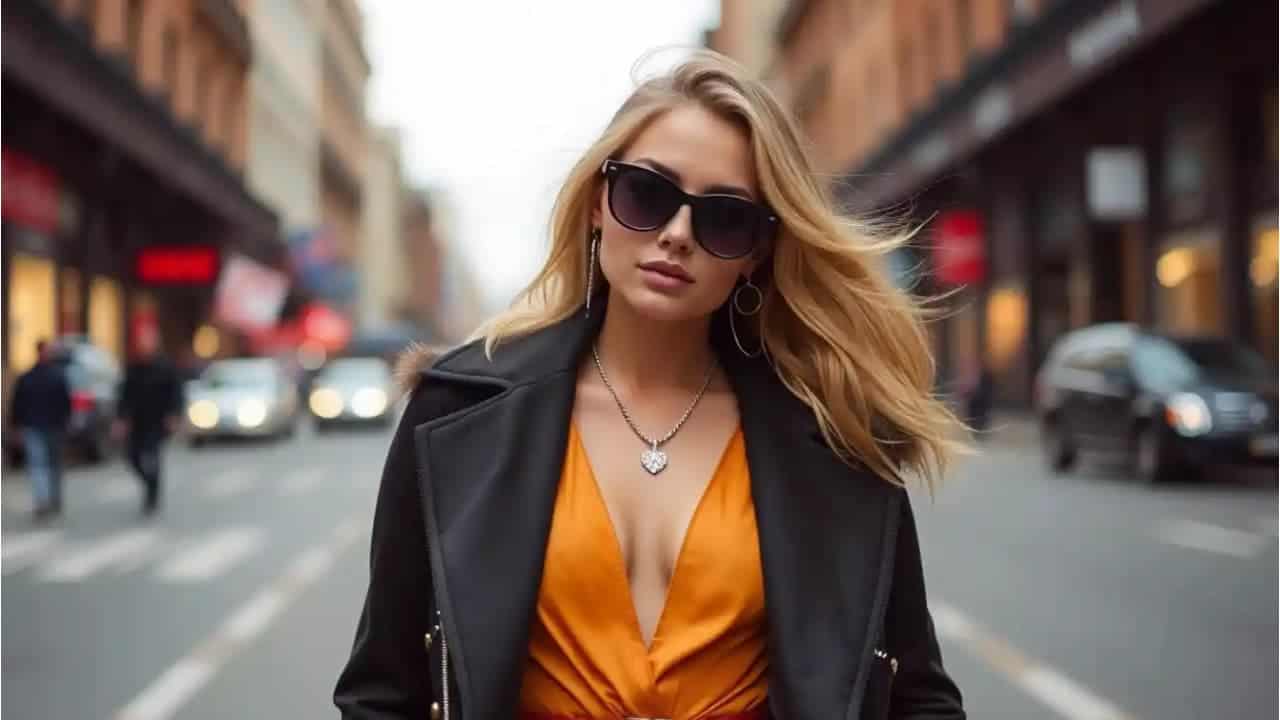
In the digital era, seduction has moved beyond dimly lit rooms and magazine pages. With the explosion of online platforms like OnlyFans, Instagram, and adult chat rooms, a new aesthetic-driven economy has emerged—one where style and self-expression often carry more weight than nudity alone. In this world, fashion becomes foreplay, and persona becomes currency. Online seduction isn’t just about showing skin; it’s about crafting a compelling, clickable look.
The Rise of Aesthetic Eroticism
The traditional markers of adult entertainment—nudity, physical appeal, and raw sensuality—still hold sway. However, in the age of curated feeds and story-driven content, these elements are often reframed through an aesthetic lens. Today’s online seductresses and seducers are fashion stylists, brand managers, and digital storytellers. Whether it’s a corset with vintage lace or streetwear paired with thigh-high boots, the outfit often tells the story before the body does.
The key evolution here is the shift from sexual explicitness to seductive suggestion, often wrapped in highly stylized fashion. Lingerie is no longer just underwear; it’s a fashion statement, a filter-ready accessory, a conversation starter. This mirrors the “soft power” of modern influencers, where appeal comes from mood, mystery, and messaging.
The Influence of Social Media and Visual Branding
Instagram and TikTok have fundamentally redefined the rules of engagement. Users scroll through endless content, pausing only when something truly resonates. In this visual battlefield, fashion becomes the hook. A well-lit photo of someone in a satin robe against an opulent backdrop is more likely to get attention than a basic nude. The visual brand becomes the entry point to desire.
Creators often adopt a consistent color palette, aesthetic theme, or style signature. Think of the rise of “dark academia,” “e-girl,” “Y2K bimbo,” or “goth Barbie” as not just trends but fashion subcultures intertwined with erotic branding. These styles serve as visual signals—each conjuring a particular fantasy, lifestyle, or form of seduction.
This strategy is eerily similar to influencer marketing. The goal isn’t just to “sell sex”; it’s to sell a lifestyle, an identity, an experience someone wants to be part of. By using fashion as a narrative device, online entertainers build personal brands that foster emotional engagement, not just arousal.
Fashion as Emotional Armor and Erotic Weapon
For many creators, especially women and LGBTQ+ individuals, fashion serves a dual purpose. It is both armor and weapon—a means of self-protection and a tool of seduction. Dressing up becomes a ritual, a transformation into a curated version of the self that feels both powerful and performative.
This performance isn’t necessarily inauthentic; instead, it’s strategically amplified. High heels, tailored lingerie, latex bodysuits—these items do more than decorate the body. They reshape posture, attitude, and even speech. The clothes quite literally change how the body is perceived and how the wearer feels inside that perception.
Just as a CEO puts on a tailored suit to project authority, adult creators and digital seductresses put on a look to command attention, convey control, and incite fantasy. Fashion creates a barrier between the creator and consumer, offering just enough distance to protect vulnerability while still allowing for intimacy.
Influencer Marketing and Erotic Capital
The parallels between adult content creators and influencers are more than aesthetic. Both rely on personal branding, audience engagement, and monetizing attention. Both understand the value of presentation. In fact, some influencers walk a tightrope between traditional fashion blogging and softcore erotica, with “thirst traps” and “outfit of the day” posts living side by side.
Erotic capital—the combination of beauty, charm, style, and sexual competence—has become mainstream currency. And just like traditional capital, it’s leveraged. Adult creators use their fashion-forward content to sell subscriptions, exclusive content, merch, and even makeup lines.
Many creators have become micro-influencers in their own right, collaborating with lingerie brands, modeling alternative fashion lines, or launching their own products. This not only legitimizes their online presence but blurs the line between adult entertainment and influencer culture.
The Economy of Seduction: Engagement Over Explicitness
What drives success in the online seduction economy isn’t always nudity—it’s engagement. Click-through rates, subscriber loyalty, and social media shares all hinge on how well a creator tells a story through their visual presentation. The fashion becomes the frame, and the body the canvas.
This shift has democratized erotic content. People who might not fit traditional beauty standards use styling, creativity, and storytelling to build massive audiences. Curvy, disabled, gender-diverse, and older creators are using fashion to reshape the norms of desirability. They’re not selling the body in isolation, but the story that surrounds it—the attitude, the intellect, the look.
Case Study: The Cosplay-Seductress Hybrid
One striking example of the fusion between fashion and erotic appeal is the cosplay adult creator. Here, elaborate costumes become the star of the show. These creators spend hours assembling character-inspired outfits—mixing sewing skills, makeup artistry, and social media savvy.
Their followers aren’t just paying for photos—they’re buying into a fantasy world. A creator dressed as a sultry anime villain or a reimagined Disney princess can charge premium prices for exclusive content. The appeal isn’t nudity alone; it’s the cultural reference, the fashion detail, the immersive fantasy.
This blurs the line between adult content and fan engagement. It also reveals how niche fashion expression can be more lucrative than generic sexual content. The more unique the aesthetic, the stronger the brand loyalty.
The Power of the “Look”: Identity as Fetish
There’s a reason why hashtags like #altgirl, #pinup, and #softgoth trend consistently: people fetishize not just the body but the identity the body inhabits. A tight latex catsuit or pastel goth getup isn’t just sexy—it symbolizes rebellion, fantasy, or submission, depending on the viewer’s perspective.
In this way, the “look” itself becomes fetishized. The consumer isn’t just turned on by the body, but by what the look represents. This gives creators an incredible tool: by changing their look, they can tap into multiple audiences, moods, and fantasies.
Fashion becomes a kind of erotic code—each style speaks to a different desire, allowing for layered engagement. Unlike traditional pornography, which is often one-note and goal-oriented, online fashion-infused seduction is slow-burn, stylized, and immersive.
Male and Non-Binary Creators: Fashion as Disruption
While much of the attention around fashion and online seduction focuses on women, male and non-binary creators are increasingly subverting norms and using style to redefine masculinity, femininity, and erotic appeal.
For male creators, soft fabrics, pastels, skirts, and nail polish disrupt the standard “alpha” visual. This draws in audiences looking for sensitivity, non-toxic masculinity, or queer aesthetics. For non-binary creators, fashion becomes a fluid playground—each outfit a commentary on identity, desire, and agency.
These creators don’t just exist in opposition to tradition—they’re carving out new erotic niches where fashion is the language of inclusion, transformation, and pleasure.
The Dark Side of Aesthetic Seduction
However, the emphasis on fashion and branding isn’t without pitfalls. The pressure to constantly innovate, look “aesthetic,” and maintain a polished visual identity can lead to burnout, body dysmorphia, and identity fatigue. Many creators report the stress of keeping up with fashion trends, investing in outfits, and competing in an oversaturated market.
In some cases, this dynamic commodifies not just the body but the personality—turning people into brands whose entire existence must be visually appealing 24/7. There’s also the risk of platforms censoring creators whose content walks the line between fashion and erotica, even when no explicit nudity is shown.
The line between empowerment and exploitation remains thin. While fashion can be a tool of self-expression, it can also become a trap of endless performance.
Conclusion:
In the age of online seduction, we are witnessing a paradigm shift. Sex appeal is no longer about nudity—it’s about narrative. Fashion is not just decoration; it’s a weapon of influence, a symbol of power, and a tool of seduction.
The look sells the fantasy. The fantasy builds the following. The following drives the economy.
Whether you’re an influencer, a creator, or a curious observer, the rise of aesthetic-driven adult entertainment tells us something profound: desire has always been visual—but now, more than ever, it’s also curated, stylized, and dressed to kill.